
Featured Articles
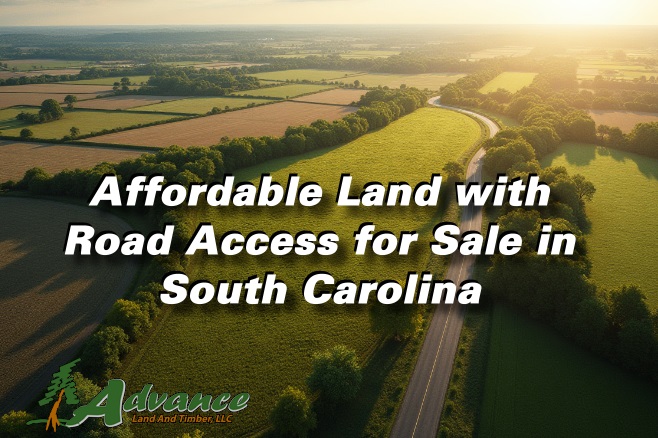
Where to Find Affordable Land with Road Access
Affordable Properties with Road Access: Where to Look
Finding land that is both affordable and accessible can feel like searching for a needle in a haystack, especially in South Carolina. But the truth is, these properties do exist — you just need to know where to look and what to watch out for. Road access is one of the most overlooked factors when buying rural land, yet it’s crucial for everything from construction to resale value. Honestly, I’ve seen buyers fall in love with a beautiful piece of land only to realize that getting there is a headache every single day. Here’s a practical guide to navigating this search.
Why Road Access Matters
Road access isn’t just about convenience. It impacts utility hookups, emergency services, property taxes, and even your ability to sell the land later on. A property without legal or maintained road access can become a nightmare, no matter how cheap it is. I’m not saying every backwoods plot is bad, but you’d be surprised how many landowners underestimate the hassle of an inaccessible parcel.
Key Areas in South Carolina for Affordable Land
There are a few counties in South Carolina where you can still find reasonably priced properties with proper road access. Some of the areas I’d recommend checking out include:
- Lexington County: Close to Columbia, offers smaller parcels for first-time buyers.
- Newberry County: Offers timberland and rural parcels with county-maintained roads.
- Sumter County: Mix of agricultural and recreational land; easier access to highways.
- Edgefield County: Known for affordable plots, especially for hunting and timber investment.
The thing is, these areas vary in terms of development restrictions and future growth. Some counties are moving faster than others, so a property that’s cheap today might not stay that way long.
Tips for Spotting Affordable Properties
When hunting for affordable land with road access, consider a few practical tips. These might seem obvious, but in practice, they make a big difference:
- Check property listings with keywords like “road frontage,” “paved access,” or “county-maintained road.”
- Use online mapping tools to confirm a drivable route exists year-round. Satellite images can be misleading.
- Visit the property if possible. Driving the road yourself often reveals obstacles that online photos won’t show.
- Look for parcels adjacent to existing developments; often, road access is already established.
- Ask about easements and legal right-of-way if the property borders private land.
Honestly, I’ve seen buyers fall for “driveway access” that turned out to be a muddy trail barely wide enough for a truck. So, visiting the property or at least verifying road access through county records is a smart move.
Understanding Legal and Maintenance Considerations
Even if a road exists, not all access is equal. Some roads are private, meaning maintenance is your responsibility or shared with neighbors. Others are public and maintained by the county, which usually makes life a lot easier. Here’s what to keep in mind:
- Private roads may require forming a road maintenance agreement with neighbors.
- Public roads generally increase resale value but can come with local taxes or assessments.
- Check zoning restrictions — road access might be allowed, but building permits or septic installation could be tricky.
- Confirm any historical rights of way; sometimes old paths exist that aren’t officially recognized.
The legal side of land buying is where many folks get burned, honestly. Skipping this step can make a property almost unusable despite its initial charm or affordability.
Balancing Price and Accessibility
Cheap land is tempting, but always weigh cost against practicality. A property that’s five miles down a dirt track might be cheaper, but the expense of building a usable road, bringing in utilities, or even just getting there in winter can eat into savings fast. I’d advise making a short pros-and-cons list for each parcel you consider — it’s surprising how often this exercise changes a buying decision.
Other Considerations for Affordable Land Buyers
Besides road access and price, think about:
- Topography: Hills, wetlands, or rocky terrain can increase development costs.
- Flood risk: Some low-lying areas are prone to seasonal flooding, impacting insurance and use.
- Neighboring land use: Farms, timber, or industrial plots nearby can affect enjoyment and future value.
- Utilities and services: Even a great plot is limited without electricity, water, or internet access.
In my experience, buyers who research these factors ahead of time have a much smoother transition from purchase to development.
Final Thoughts on Finding Affordable Land
Finding affordable land with road access isn’t impossible, but it takes patience and a bit of legwork. The key is knowing your priorities: price, access, legal clarity, and long-term usability. South Carolina has plenty of hidden gems if you’re willing to dig into county listings, visit properties, and double-check access rights. I’ve seen folks get caught up in a “too good to be true” deal, and honestly, that’s where mistakes happen. But with careful research, you can secure a property that meets both your budget and practical needs — and that’s really the sweet spot.
