
Featured Articles
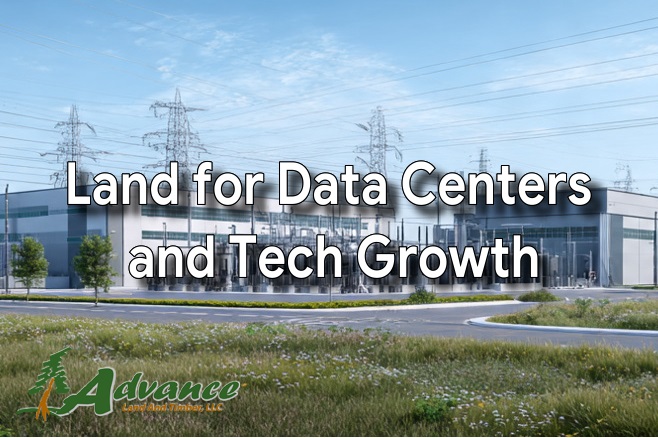
Investing in Land for Data Centers and Tech Hubs
Why Smart Investors Are Buying Land for Data Centers
Something interesting has been happening over the last few years. While everyone seems distracted by residential flips or trendy downtown developments, a quieter group of investors has been buying land for investment and future technology hubs. Not flashy land. Not retail strips. Just strategically located acreage with power access, fiber connectivity, and room to grow. Honestly, it is not the kind of investment that makes headlines, but it is the kind that can quietly change a portfolio.
The thing is, our digital world keeps expanding. Streaming, cloud computing, artificial intelligence, remote work, online banking, telehealth, it all runs somewhere. And that somewhere is usually a data center. Which means the land under those facilities matters more than most people realize.
The Digital Economy Needs Physical Ground
It sounds almost ironic. We talk about the cloud like it floats in the sky, but it is rooted in physical infrastructure. Massive buildings filled with servers, cooling systems, backup generators, and fiber connections. None of that happens without land for data centers that meet specific requirements.
Buying land for data centers is not about speculation in the usual sense. It is about anticipating infrastructure demand. Companies building technology hubs are not looking for random parcels. They want locations with:
- Reliable and scalable power supply
- Access to major fiber optic lines
- Low risk of flooding and natural disasters
- Favorable zoning and business friendly regulations
- Room for expansion over time
If a property checks those boxes, it moves from just land to a strategic asset. I have seen properties sit unnoticed for years, then suddenly gain attention once infrastructure projects move nearby. It happens more often than people think.
Why Rural and Secondary Markets Are Gaining Attention
You might assume that land for technology hubs has to be in a major metro. Not always. In fact, secondary markets are becoming extremely attractive for data center development land. Areas outside large cities often offer lower acquisition costs, tax incentives, and easier permitting processes.
Some states have become especially known for tech infrastructure growth. Parts of Texas and North Carolina have seen steady data center expansion because of available land, strong power grids, and supportive economic policies. Companies that operate massive cloud networks, including Amazon Web Services and Microsoft, have invested heavily in similar regions.
And once one major player enters a market, others tend to follow. Infrastructure attracts infrastructure. It is almost like a domino effect.
Long-Term Lease Potential and Stable Returns
One of the biggest benefits of buying land for data centers is the potential for long-term ground leases. These facilities are expensive to build and even more expensive to relocate. Once a data center is operational, it tends to stay put for decades.
That creates something investors love: stability. Instead of short-term tenants rotating in and out, technology hub developments often commit to extended lease agreements. And because uptime is critical, companies prioritize reliability over cutting costs on location.
In my experience, this kind of tenant is very different from retail or office users. Data-driven businesses value consistency. They need secure sites with redundant utilities and long-term certainty. If your land supports that, you are not just selling acreage. You are offering commercial land with infrastructure potential.
Infrastructure Improvements Increase Land Value
Here is another angle people sometimes overlook. When land is selected for a data center project, the surrounding infrastructure often improves. Roads get upgraded. Fiber lines expand. Power substations are enhanced. Even water systems may be reinforced.
So even if you are not directly building a facility, owning nearby land for data centers and technology growth can benefit from these upgrades. Property values tend to rise when infrastructure expands. It is not guaranteed, of course. But rural parcels can shift into prime commercial land for tech hubs simply because utilities have improved.
Actually, let me rephrase that. It is not just about appreciation. It is about optionality. Improved infrastructure gives you more exit strategies in the future.
Scalability Matters More Than Ever
Technology evolves fast. Artificial intelligence workloads require more computing power. Streaming platforms demand constant uptime. Financial transactions cannot afford interruptions. All of that increases the need for data center development land that can scale.
Buying land for data centers with extra acreage allows for phased construction. Companies might build one facility today, then expand in five years. Investors who secure larger parcels in strategic corridors often position themselves ahead of that curve.
And scalability isn't just about physical space. It includes power capacity. Regions investing in renewable energy and grid resilience become even more attractive. Some technology hubs prioritize sustainability goals, so land in areas with solar or wind development potential can stand out.
Economic Development Incentives
Local governments frequently compete for technology hub projects. Data centers bring construction jobs, infrastructure upgrades, and long-term tax revenue. Even if employment numbers are not as large as those in manufacturing plants, the economic footprint can be significant.
That competition often leads to tax abatements, grants, or streamlined approval processes. For investors buying strategic acreage for future development early, this can accelerate project timelines and increase buyer interest.
I am not saying incentives guarantee success. They do not. But they certainly make certain markets more compelling than others.
Lower Volatility Compared to Trend-Based Sectors
Some real estate trends flare up and fade out. Data centers, on the other hand, support fundamental digital infrastructure. As long as people use the internet, store files in the cloud, stream content, and rely on online services, land for technology hubs remains relevant.
Even during economic slowdowns, digital activity rarely disappears. In some cases, it increases. Remote work surges. Online transactions climb. That resilience adds a layer of defensive strength to investing in data center land.
What to Look for Before You Buy
Not all acreage is suitable for data center development land. If you are considering this niche, pay attention to:
- Proximity to high-capacity transmission lines
- Fiber network accessibility
- Zoning classifications and future land use plans
- Environmental constraints or wetlands
- Topography and soil stability
It is worth working with professionals who understand both land acquisition and infrastructure requirements. This is not quite the same as buying farmland or residential lots. Due diligence matters. A lot.
The Bigger Picture
Buying land for data centers or technology hubs is really about recognizing where the world is headed. Digital storage is not slowing down. Cloud computing is not reversing. Artificial intelligence applications are expanding faster than most of us predicted.
When you step back and look at it, investing in land for data centers feels less like speculation and more like positioning. You are aligning physical assets with digital growth. And that combination, physical ground supporting virtual infrastructure, is quietly powerful.
No investment is perfect. Markets shift. Policies change. Technology evolves. But land tied to essential infrastructure tends to hold strategic value over time. If chosen carefully, it can provide stability, appreciation potential, and long-term leasing opportunities that many traditional sectors struggle to match.
Sometimes the smartest move is not the loudest one. Sometimes it is simply buying the right piece of land, in the right place, before everyone else realizes why it matters.
Advance Land & Timber helps landowners, buyers, and investors evaluate acreage with long-term potential, including rural land, timberland, recreational tracts, and properties that may benefit from future infrastructure growth.
