
Featured Articles
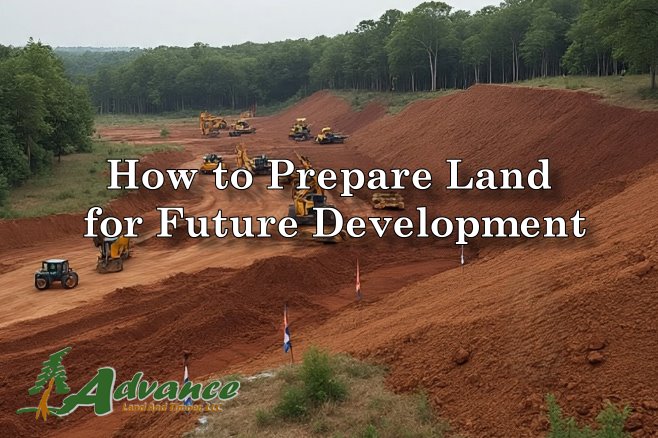
Land Preparation Guide for Property Development
How to Prepare Land for Future Development
You’ve got a piece of land and a vision, maybe it’s a house, a commercial project, or something totally unique. But before the first brick gets laid or the first concrete truck rolls in, there’s a crucial step you can’t afford to skip: preparing the land.
Land prep isn’t the flashy part of development. It’s the behind-the-scenes work that makes sure your project actually gets off the ground — literally. And while it may seem like a straightforward checklist, there's more to it than just bulldozing and calling it a day.
Start With the Legal Stuff (Yes, Before You Touch a Shovel)
- Check Zoning Laws: Your land might be zoned residential, commercial, agricultural, or another type of use. Find out before you plan anything.
- Survey the Land: Hire a professional to establish boundaries and identify topographic features. You’d be surprised how many people skip this until it’s too late.
- Get Permits: Depending on your location, you’ll likely need permits for clearing, grading, utilities, and more.
Skipping the legal step can lead to big problems. Like “stop-work order” problems. So yeah, this part matters.
Soil Testing: Not Optional
This is one of those things that seems boring, until it’s not. Soil testing tells you whether the ground can support your project. You don’t want to find out mid-build that the soil has drainage issues or cannot support a foundation.
Most developers get a geotechnical engineer involved. They'll drill some test holes, take samples, and report on soil type, stability, and water table depth. Sounds technical, but it’s your project's insurance policy.
Clear the Land (But Do It Smart)
- Remove Vegetation: That means trees, brush, roots — all of it. But depending on your local ordinances, you may need approval to remove mature trees.
- Demolish Old Structures: If the land has existing buildings, don’t assume you can just knock them down. Check for asbestos or lead paint regulations.
- Grade and Level: Your site might need to be re-shaped to ensure proper drainage and stability. It’s not just aesthetics — it affects water runoff, erosion, and future building code compliance.
And remember, clearing land isn't always as simple as hiring someone with a backhoe. You want someone who understands environmental impact and erosion control.
Install Basic Infrastructure
This is the part where your empty field starts looking like something more. You'll need to consider:
- Utilities: Water, electricity, gas, sewage. Some sites already have access, but many don’t.
- Driveways or Access Roads: Especially if your site is remote or lacks street frontage.
- Drainage Systems: French drains, swales, retention ponds. You’ll likely need something to handle stormwater.
This part can get pricey, but it's also where you start to see real progress.
Plan for the Unexpected
Honestly, no land prep goes perfectly. You’ll run into buried debris, unmarked utility lines, or wildlife that decided your lot was their backyard.
Build a buffer into your timeline and budget. And don’t be afraid to pause if something doesn’t feel right. Getting it wrong now can cost way more down the road.
Pro Tip: Work With Local Pros
Whether you’re hiring a grading contractor, an excavator, or a civil engineer, get someone local. They’ll know the soil types, the zoning quirks, and what the county inspector expects.
Also, they probably have relationships with the permitting office, which can help expedite the process. (Not officially, but you get it.)
Is It Ever Too Early to Start?
Short answer? No. Even if you’re years away from building, land prep takes time. And in some cases, you’ll need to let the land sit and settle after major grading work. That’s especially true if your site has clay-heavy soil or slopes.
So if you're thinking five years down the road, you might want to start now.
The Bottom Line
Preparing land for future development isn’t glamorous, but it’s critical. Think of it as laying the foundation for your foundation. Without solid prep, even the best plans can crumble, sometimes literally.
So take your time, do it right, and bring in the right people. Future you (and your budget) will thank you.
