
Featured Articles
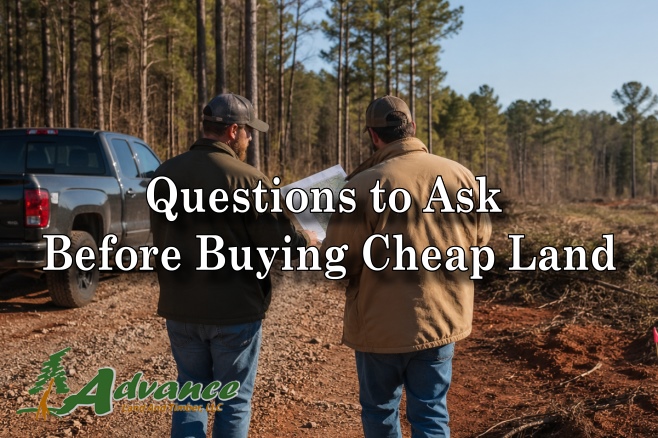
Touring Affordable South Carolina Property Character Count:
What to Ask on a Low-Cost SC Property Tour
Touring a low-cost SC property can feel exciting at first. You get out of the truck, look across the land, see the trees, maybe picture a home site, a hunting spot, a small farm, or just a quiet place to hold for the future. Honestly, that part is easy. The harder part is slowing down long enough to ask the questions that actually matter.
A low-cost SC property is not automatically a bad deal. In fact, some of the best land purchases start with a property that other buyers overlooked because they did not know what they were looking at. But cheaper land can also bring hidden costs, access issues, utility problems, drainage concerns, restrictions, or boundary questions that are not obvious during a quick walk around.
That is why the property tour matters. Not just the online listing. Not just the price. Not just the pretty pictures. Walking the land gives you a chance to see what is real, what needs work, and what questions require answers before you get too attached to the idea of buying it.
Start With Access Before Anything Else
The first thing to ask when touring a low-cost SC property is simple. How do you legally get to it? That sounds basic, but you would be surprised how many rural land problems start with access. A property may look great on a map, but if there is no unambiguous legal access, or if the road crosses someone else’s land without a recorded easement, that can become a serious issue.
Ask whether the property fronts a public road, a private road, or a shared road. If it is a private road, ask who maintains it. If the road washes out after heavy rain, who pays to fix it? If several landowners use it, is there a written road maintenance agreement? These are not small questions. A cheap property can become expensive fast if you have to improve a road before you can use the land.
When you are standing there, look at the road like you are going to use it in bad weather, not just on a fair afternoon. Can a normal vehicle get in? Would you need Four Wheel Drive? Could a well truck, septic installer, power company, or building crew reach the property without trouble? A low-cost SC property may still be worth buying, but access needs to be understood early.
Ask What the Land Can Actually Be Used For
One of the biggest mistakes buyers make is assuming they can do anything they want with rural land. That is not always true. Before buying a low-cost SC property, ask about zoning, deed restrictions, covenants, setbacks, and local land use rules. Some properties allow manufactured homes, campers, hunting cabins, or farm use. Others may not.
If your goal is to build a home, ask whether homes are allowed and what type of home is permitted. If your goal is recreation, ask about hunting, shooting, camping, and ATV use. If you want to divide the land later, ask whether the property can legally be subdivided. Actually, scratch that, do not just ask whether it can be divided. Ask what the process would involve, because the details matter.
Some low-cost South Carolina land is priced low because it has limited use. That does not always make it a bad purchase. It just means the land has to match your plan. A property that is perfect for timber or hunting may not be right for a home site. A property that works for a private retreat may not work for a family compound. The use matters more than the dream.
Look Closely at Utilities and Water
Utilities are another place where low-cost SC property buyers need to pay attention. Ask whether power is available at the road, nearby, or not available at all. If power is already close, that is helpful. If it has to be extended a long distance, the cost can surprise you.
Ask about water, too. Is public water available, or would the property need a private well? If it needs a well, is the area known for good well production? Nobody can promise perfect water before drilling, but local experience can tell you a lot.
Then there is septic. If you plan to build, the property will likely need soil capable of supporting a septic system. Ask whether a perc test has been done. If not, ask whether the land appears likely to support septic based on soil type, slope, and drainage. A low-cost SC property without a usable septic area may still work for some uses, but it may not work for a home.
Do not just look at where you would like the house to go. Look at where the septic system could go, where the driveway would run, where water would come from, and where power would enter. Land buying becomes much more practical when you start thinking about the whole setup.
Pay Attention to Soil, Drainage, and Low Areas
South Carolina land can vary widely from one property to another. You may have sandy soil, red clay, wet bottomland, high dry ground, pine timber, hardwood drains, open pasture, or a mix of everything. When touring a low-cost SC property, pay close attention to where water seems to go.
Look for standing water, soft ground, washed-out areas, deep ruts, or water marks around trees. A wet area is not always a deal breaker. It may be great for wildlife, privacy, or timber. But if the only good building spot is wet, that is a different conversation.
Ask whether any part of the property is in a flood zone. Ask where the high ground is. Ask whether there are creeks, branches, ponds, wetlands, or drainage areas. Some buyers fall in love with land because it feels peaceful, only to later realize the spot they wanted to use isn't practical. Better to know that while you are still walking the property.
Ask About Boundaries, Surveys, and Easements
Boundary questions can create real headaches. When touring a low-cost SC property, ask whether there is a recent survey. If there is not, ask how the seller is identifying the property lines. Old fences, tree lines, and dirt paths can help, but they are not the same as a survey.
Ask whether the corners are marked. Ask whether any neighbors use part of the property for access, hunting, farming, parking, or anything else. Ask about utility easements, road easements, pipeline easements, and timber access. Easements are not always bad. Many properties have them. The important thing is knowing where they are and how they affect your use of the land.
If you see a road, trail, power line, gate, fence, or path, ask about it. Do not assume it belongs to the property. Do not assume it does not. That is the kind of thing that needs verification.
Do Not Ignore Timber Value
If the property has trees, ask about the timber. Timber can affect value, privacy, wildlife, future income, and land management options. A low-cost SC property with marketable timber may have more value than it looks like at first glance. On the other hand, land that was recently clear-cut may need time for cleanup, roadwork, or replanting before it feels usable.
Ask what type of timber is on the land. Pine, hardwood, mixed timber, young planted pine, and mature stands all tell a different story. Ask whether the timber rights transfer with the sale. That question matters. You do not want to buy land and later find out that someone else has the right to cut the timber.
Also, ask whether any timber has been harvested recently. If it has, look at the roads, ruts, drainage, and leftover debris. Some harvested land is still a good buy, especially if the price reflects it. But it helps to know what kind of cleanup or waiting period you may be dealing with.
Think About Costs After Closing
The purchase price is only one part of the real cost. A low-cost SC property may need a driveway, gate, culvert, clearing, survey, soil testing, well, septic, power extension, road repair, insurance, taxes, and ongoing maintenance. None of that means you should walk away. It just means you need to be honest about the full picture.
Ask yourself what the land needs before you can actually use it. If you want to camp, can you get in safely? If you want to build, what has to happen first? If you want a hunting tract, are there trails, food plot areas, or natural wildlife corridors? If you want to hold it as an investment, is the location likely to stay desirable?
Low price is nice. Clear expectations are better. That is where good land buying decisions usually happen.
Questions Worth Asking During the Tour
It helps to bring a simple checklist when touring affordable land in South Carolina. Not because you need to act like an inspector, but because it is easy to forget important questions once you are walking around and imagining what the property could become.
- Does the property have legal access from a public or recorded private road?
- Who upkeeps the road, and what condition is it in after heavy rain?
- Are power and water available, or will they need to be installed?
- Has the land passed a septic evaluation or soil test?
- Is any part of the property located in a flood zone or wetland area?
- Are there deed restrictions, zoning limits, or use rules?
- Are the boundaries clearly defined by a recent survey?
- Do timber rights transfer with the property?
- Are there easements, shared roads, or neighbor access issues?
- What improvements would be needed for the land to fit your plan?
A Better Way to Look at Low-Cost Land
The best way to tour a low-cost SC property is with both zeal and prudence. You can like the land. You can picture what it might become. But you also need to ask boring questions. Boring questions save money. They also keep you from buying a property that doesn't match your goals.
In my experience, the smartest buyers are not always the ones with the biggest budget. They are the ones who walk the land carefully, listen well, ask practical questions, and do not rush past obvious warning signs. They look at the driveway, the soil, the trees, the boundaries, the water, and the long-term use. They are not trying to talk themselves into a deal. They are trying to understand it.
If you are considering rural land, acreage, timber property, or a low-cost SC property that needs a closer look, Advance Land and Timber can help you think through the details before you move forward. The right questions can make the difference between a property that is a smart purchase and one that turns into a long list of expensive surprises.
Cheap land is not always cheap for a bad reason. Sometimes it is just overlooked, underused, or waiting on the right buyer. The trick is knowing which one you are standing on before you sign anything.
